You’ve finished your workday. You’ve closed your laptop, dimmed the living room lights, and finally collapsed onto the sofa. By all accounts, you are "relaxing." Yet, your mind feels like a browser with fifty tabs open, your muscles are tight, and you feel a strange, vibrating hum of restlessness beneath your skin. You aren’t tired in a way that sleep can easily fix; you are overstimulated.
In our modern world, the definition of downtime has become increasingly blurred. We are living in an era where the expectation of "always-on" productivity has seeped into the very spaces meant for sanctuary. If you find yourself scrolling through your phone, checking work emails, or feeling a persistent sense of urgency even when you have nothing to do, you aren't alone. This constant stimulation is a hallmark of contemporary life, and understanding why it happens is the first step toward true mental recovery.
The Remote Work Paradox: When Home Becomes the Office
For many of us, the shift to remote or hybrid work has been a double-edged sword. While we’ve gained the comfort of working from home, we’ve lost the physical transition period—the commute—that once acted as a psychological buffer between "work-self" and "home-self."
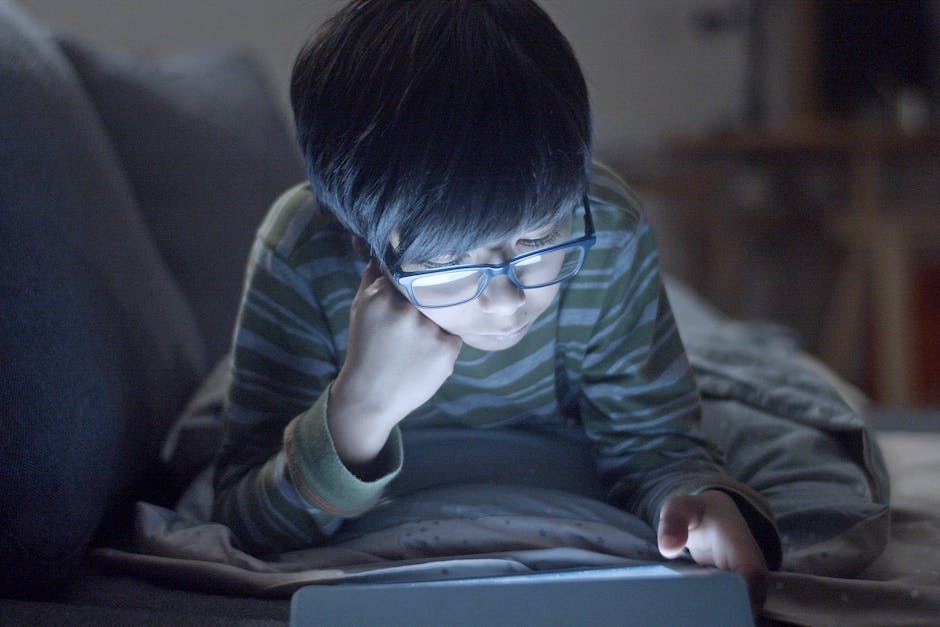
When your living room is also your boardroom, the boundaries that protect your mental peace dissolve. You no longer walk away from the stressors of the day; you simply rotate your chair. This lack of transition prevents the nervous system from shifting out of its sympathetic state (fight-or-flight) and into the parasympathetic state (rest-and-digest). As a result, even when you are physically relaxing, your subconscious is still scanning for the next notification or the next task, leading to a profound sense of digital overload.
The Science of Digital Overload
Why does scrolling through social media or checking emails feel like the opposite of rest? The answer lies in cognitive arousal.
The Blue Light Effect
Most of our "relaxing" activities involve screens. Whether it’s Netflix, TikTok, or a quick glance at your inbox, you are exposing your eyes to blue light. This spectrum of light suppresses melatonin, the hormone responsible for signaling to your body that it is time to wind down. By keeping your screen time high in the evening, you are effectively tricking your brain into thinking it is still daytime, keeping your alertness levels artificially spiked.

The Dopamine Loop
Modern apps are designed to be addictive. They provide intermittent rewards—a like, a comment, or an interesting headline—that trigger a small release of dopamine. This loop keeps you hooked, preventing your brain from experiencing the "boredom" it actually needs to enter a restorative state. True mental recovery requires space for your thoughts to wander, not to be filled by algorithmic stimuli.
When Tracking Becomes a Chore
In the pursuit of wellness, many people turn to data. Sleep-tracking apps have become incredibly popular, promising to help us optimize our rest. While these tools can offer valuable insights, they can also become a source of anxiety. If you find yourself checking your phone the moment you wake up to see a "sleep score," you are immediately introducing stress back into your morning routine.
If the data tells you that you slept poorly, it often triggers a cycle of worry: "I only got five hours of deep sleep, now I’m going to be tired all day." This anticipatory anxiety is another form of constant stimulation. Sometimes, the most relaxing thing you can do is put the wearable device in a drawer for a few days and listen to what your body is actually telling you, rather than what an app is reporting.
Understanding the Impact of Chronic Stress
When you are chronically overstimulated, your baseline for what feels "normal" shifts. You may start to feel uncomfortable in silence because your brain is accustomed to a constant stream of input. This is a common experience during burnout. Organizations like Mind, the mental health charity, emphasize that rest is not just the absence of work; it is an active practice of detaching from the demands of the world. If you feel that your anxiety or burnout has reached a level that feels unmanageable, seeking professional guidance is a sign of strength, not weakness.
Here's a story that illustrates this perfectly: made a mistake that cost them thousands.. For those living with chronic conditions or severe anxiety where standard wellness tactics aren't enough, professional interventions are available. For instance, clinics like Releaf—the UK’s largest medical cannabis clinic—provide structured, regulated care for patients whose conditions require medical oversight, helping them move beyond the trial-and-error phase of self-care and toward evidence-based treatment plans.. Exactly.
Strategies for Reclaiming Your Downtime
How do we combat this digital overload? It requires setting intentional boundaries that allow your nervous system to regulate itself. Here is a comparison of common "rest" activities versus actual mental recovery:
Activity Is it Relaxing? Impact on Overstimulation Doomscrolling social media No Increases dopamine spikes and cognitive arousal Answering "just one more" email No Maintains fight-or-flight response Reading a physical book Yes Slows cognitive rhythm and promotes focus Gentle stretching/Yoga Yes Connects the mind to the body, lowering cortisol Mindful breathing Yes Physiologically signals safety to the nervous systemPractical Steps to Lower Your Stimulation Levels
Create a "Digital Sunset": Set an alarm for one hour before bed. Once it goes off, all work-related devices go into a drawer. The "Transition Ritual": Create a physical habit that signifies work is over. This could be changing your clothes, taking a short walk outside, or even just washing your hands. Prioritize Passive Entertainment: Instead of high-stimulation media, opt for podcasts or music that you find soothing, rather than engaging with visual media that demands your full attention. Embrace Boredom: Allow yourself 15 minutes of "doing nothing." No music, no phone, no chores. Just sitting. It will feel uncomfortable at first, but that discomfort is the feeling of your brain beginning to decompress.Final Thoughts on Finding Balance
It is important to remember that feeling overstimulated does not mean you are failing at being "calm." It means your nervous system is reacting to an environment that wasn't designed for human rest. We are wired for survival, not for constant connectivity.
The goal isn't to be perfectly Zen 24/7; the goal is to create sleep apps vs professional help pockets of true, quiet restoration. By recognizing the role of constant stimulation in your life—whether it's the blue light of your phone or the lingering pressure of emails—you can start to reclaim your home as a place of recovery. Start small, be patient with yourself, and remember that sometimes the most productive thing you can do is simply nothing at all.
If you find that your feelings of overstimulation are linked to deeper issues like chronic stress or anxiety, don't hesitate to reach out for support. Whether it's connecting with resources through Mind for mental health support or exploring clinical options through specialized centers like Releaf, you don't have to carry the burden of constant alertness alone.