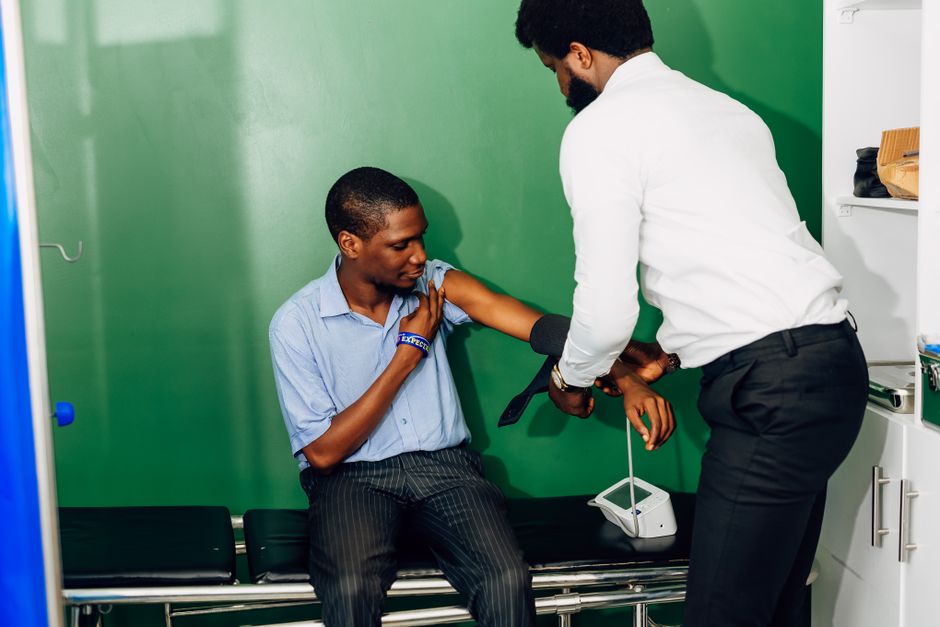
In my six years working as an NHS administrator, I witnessed firsthand the bureaucracy of the British healthcare system. I saw the dedication of practitioners, but I also saw the gaps—the moments where patients fell through the cracks of a system that wasn’t built for their specific needs. Now, as a health and family wellness writer, I spend my time interviewing patients and staff at clinics across the UK. One recurring theme keeps surfacing: the fear of being judged.
If you have ever felt dismissed, patronized, or stigmatized for even mentioning medical cannabis, please hear this: your experience is valid. The shift in the UK’s approach to Cannabis-Based Products for Medicinal use (CBPM) over the last five years has been seismic, yet the cultural baggage remains heavy. When you walk into a GP (General Practitioner) surgery or a local clinic, you aren’t just a patient; you are a person carrying years of frustration from treatments that didn't work.
Navigating this space can feel overwhelming, but you have more agency than you think. Here is how to handle that feeling of judgment and how to find a clinical environment that actually supports you.
The Evolution of Stigma: How Far Have We Actually Come?
Five years ago, the conversation around medical cannabis in the UK was essentially non-existent in mainstream medical practice. Since the law changed in 2018, we have seen a slow but steady normalization. However, old habits die hard. Many healthcare professionals were trained in a medical environment where cannabis was strictly viewed through the lens of illicit substance abuse rather than therapeutic pharmacology.
When you feel judged, it is often a reflection of the provider's lack of training, not your character. In my interviews with patients, many report that when they ask for information, they are met with skepticism or outright coldness. This is precisely why the rise of telehealth consultations has been such a game-changer. By moving the conversation into a digital space, you are often interacting with specialist doctors whose entire practice is dedicated to understanding these products, rather than a busy GP who may only have minutes to spare.
What This Looks Like in Real Life: The "Dismissed Patient" Scenario
What this looks like in real life: Imagine you are sitting in a standard consultation. You mention that you’ve read about medical cannabis for your chronic pain or treatment-resistant anxiety. The doctor looks at their screen, sighs, and says, "We don't really do that here," or worse, "That’s not a real treatment."
This isn't just annoying; it’s alienating. It makes you feel like an inconvenience. If this happens, remember: you are not asking for a "lifestyle drug." You are asking for a clinical review of your history and an exploration of evidence-based options.
Handling Stigma and Navigating Professional Conversations
If you feel judged, your first step is to shift the frame of the conversation. You aren't "asking for cannabis"; you are inquiring about video consultation clinic "alternative therapeutic options for a condition that has not responded to first-line treatments."
- Come prepared: Bring your medical summary. If you have a long history of side effects from standard prescriptions (like SSRIs or opioids), be specific. Use clear language: Using terms like "CBPM" shows that you have done your research and are taking your health seriously. Protect your peace: If a practitioner is dismissive, you are not obligated to change their mind. End the conversation politely and look for a clinic that specializes in this field.
The "Red Flag" Marketing List
As I track the industry, I have compiled a list of marketing red flags. If a clinic or source is telling you these things, run—don’t walk—in the other direction. True medical providers adhere to rigorous standards set by the CQC (Care Quality Commission) in the UK.
Red Flag Why it’s dangerous Promises a "miracle cure" There is no such thing as a miracle cure; medicine is about management and mitigation. Vague about the process If they don't explain the consultation and prescribing pathway clearly, it’s a sign of a lack of clinical governance. Implies "cannabis" is one thing Cannabis is a broad term. High-quality clinics discuss specific cultivars, terpenes, and cannabinoids (like THC vs. CBD). Judgy language toward traditional meds A reputable clinic will respect the role of conventional medicine even while advocating for your change in treatment.Accessibility and Choosing the Right Path
In the UK, accessibility is improving. Many patients start by filling out online eligibility assessments. These assessments are designed to quickly screen whether your condition and history align with the current legal framework. They are not a guarantee of a prescription, but they are a fantastic, low-pressure way to see if you are a candidate without having to face an in-person judgment call.
Leading clinics like Releaf have done a great deal to normalize the patient journey. They operate under the understanding that patients are coming to them because they are tired of side effects or lack of efficacy from standard care. By prioritizing digital access, they create a space where the patient is the partner in the process, not a subject to be judged.
The Science: Looking Beyond the Stigma
When you encounter someone who tells you there is "no research," point them to PubMed. You can find the database at pubmed.ncbi.nlm.nih.gov. It is the premier resource from the NIH (National Institutes of Health) and the NLM (National Library of Medicine).
Searching for "Cannabis-Based Medicinal Products" on PubMed will yield thousands of peer-reviewed papers. It is impossible for a medical professional to argue that there is no scientific basis for these treatments in 2024. Having a few abstracts printed out or saved on your phone can be a powerful tool for patient advocacy. It transforms the conversation from a subjective opinion to a objective discussion about data.
Staying Connected: Community and Advocacy
You are not alone in this. Many patients find that keeping up with industry updates helps them feel more empowered. If you are looking for more resources on how to navigate this world, platforms like Bloglovin are great places to follow patient advocates and health writers who share legitimate, research-backed insights into the UK telehealth space. Staying informed is the best defense against feeling like you are doing something "wrong."
What This Looks Like in Real Life: The Empowered Patient
What this looks like in real life: Instead of walking into a room and asking "Is medical cannabis okay?", the empowered patient says: "I have been through [List of past treatments] over the last three years with minimal success. I have read the latest NICE (National Institute for Health and Care Excellence) guidelines and reviewed clinical data on PubMed. I would like to discuss whether CBPMs could be an appropriate next step in my care plan."
See the difference? The latter turns the interaction from a plea for permission into a collaborative clinical consultation. It puts the focus back on your health outcome, which is where it belongs.
Final Thoughts
The transition toward medical cannabis in the UK is a journey, not a destination. You will encounter skepticism, and you may still feel the sting of judgment from people who haven't caught up to the science. Do not let that stop you. Your health is not a debate topic. If you have tried conventional pathways and they have failed you, you have every right to explore every legal, licensed option available to you.
Use the tools available: leverage reputable clinics, consult the academic literature, and advocate for yourself with confidence. You deserve to be treated with the same respect as any other patient—regardless of the nature of your medication.