I’ve spent nine years behind the scenes in esports, moving from managing logistics for Tier-2 rosters to coordinating with sports psychologists and strength coaches. I have sat in the back of the room during heated VOD reviews at 2:00 AM, watching players blink back tears of frustration while their decision-making disintegrated in real-time. I have heard the coaches say, "They just aren't focused," or, "They need more discipline."
Let me be clear: calling burnout "a lack of discipline" is not just lazy—it’s factually incorrect. It is the hallmark of an organization that doesn’t understand high-performance physiology. If you think your players are failing because they aren't "grinding hard enough," you are the reason your team is losing in the quarterfinals.
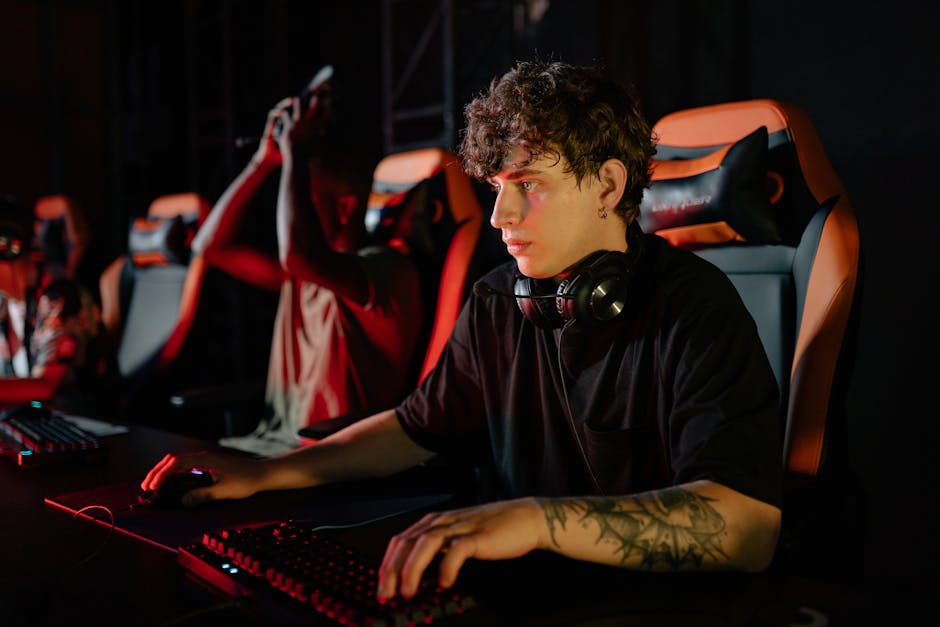
Cognitive fatigue is real, it is measurable, and it is actively sabotaging your roster’s ability to execute under pressure. Today, we are going to break down why your team’s mental ceiling is lower than you think, and why your current practice schedule might be the exact thing holding you back from a trophy.
What Exactly Is Cognitive Fatigue?
In simple terms, cognitive fatigue is the depletion of your brain's ability to maintain executive function over time. Unlike physical muscle fatigue, which has a clear "burn" sensation, mental fatigue is a slow, deceptive slide. When you are gaming at a high level, your prefrontal cortex is firing at maximum capacity—calculating micro-movements, tracking enemy cooldowns, communicating with teammates, and predicting high-speed gameplay outcomes.
After six to eight hours of intense scrims, your brain literally starts to run out of "fuel." Synaptic efficiency drops. You start to see a significant focus drop after scrims, leading to what I call "autopilot gaming." You aren't playing badly because you lack talent; you are playing badly because your biological hardware is overheating.
Recognizing the Signs
If you don't track mental fatigue symptoms, you are flying blind. Most coaches ignore these until the player tilts and ruins the team environment. Here is what you should actually be looking for:
- Reduced "Proactive" Communication: Players stop calling out enemy rotations and start only reacting to what is directly in front of them. Increased Error Rate in Routine Mechanics: Missing easy skill shots or failing simple movement techs that were perfect at noon. Emotional Volatility: The "tilt" factor. Small mistakes during a scrim trigger disproportionate frustration. Decision Paralysis: In clutch scenarios, the player freezes or chooses the "safe" option instead of the high-reward play they would normally take.
The Relationship Between Sleep and Reaction Time
Every time I walk into a team house, I find a new variation of the same lie: "I work best on four hours of sleep." No, you don't. You’ve just forgotten what it feels like to be fully operational.
My running list of "sleep myths teams still repeat" is thick, but it all comes down to one core reality: reaction speed decline is directly tied to sleep deprivation. When you deprive a gamer of quality REM etruesports.com and deep sleep, their processing speed slows down in milliseconds. In a game like Counter-Strike or Valorant, a 50-millisecond delay in cognitive processing is the difference between a headshot and a respawn screen.
I have worked with coaches who insist on 12-hour practice days. All they are doing is training their players to be tired. If you don't prioritize the "off-screen" hours, you are essentially training your team to compete at 80% of their actual potential.
Burnout: More Than Just "Feeling Tired"
Burnout is not a badge of honor. It is a systematic failure of team operations. When we talk about burnout as a performance issue, we have to stop looking at the player and start looking at the schedule. The "grind culture" mentality of staying awake until sunrise to climb ranked queue isn't dedication—it’s sabotage.
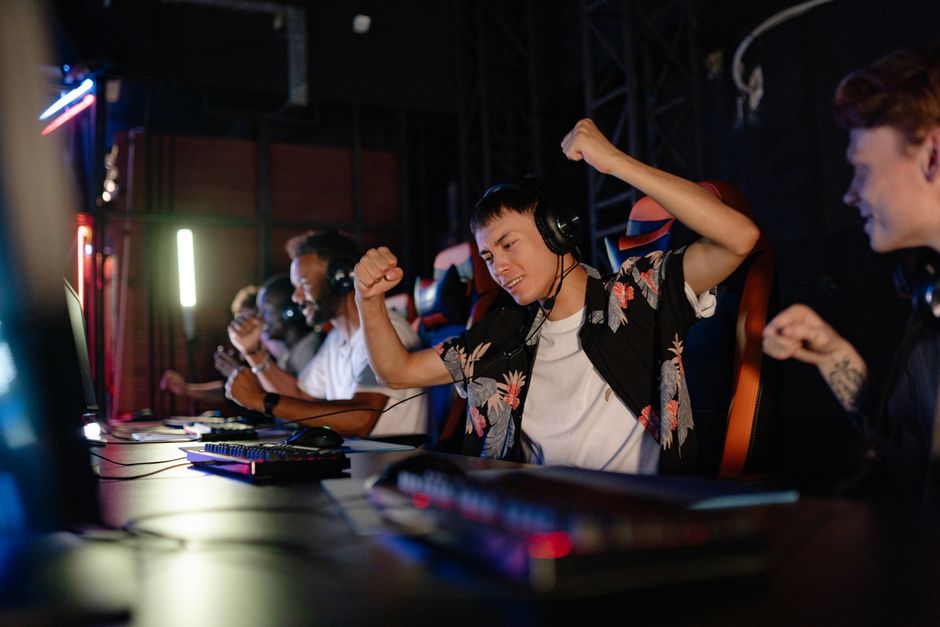
Burnout manifests as a chronic detachment from the objective. It is when the joy of the game is replaced by a sense of dread when the lobby opens. When a player hits this stage, their reaction speed has likely already plateaued or begun to decline, and their ability to problem-solve mid-game has vanished.
Metric The "Grind" Myth The Performance Reality Practice Duration 12+ hours of scrims/ranked 4-6 hours of high-intensity deliberate practice Recovery Ignoring it until a day off Integrated as a mandatory training phase Decision Making Intuition-based "hustle" Analyzed via VODs during peak cognitive windows Sleep "I'll sleep when I retire" 8 hours as a non-negotiable performance toolRecovery Routines as Elite Training
The biggest shift I ever facilitated in a Tier-2 roster was redefining "recovery." We stopped treating it as "time off" and started treating it as "training." Athletes in the NBA don't go to the gym for 12 hours. They train for two, they recover for ten. Why do we expect gamers to be any different?
If you want to mitigate mental fatigue symptoms, you need to implement structured recovery. This includes:
The "Scrim Spillover" Buffer: Stop the practice sessions at least two hours before sleep. If players scrim until 1:00 AM, their brains are still in "combat mode." They cannot drop into deep sleep if they are still processing the last round's failure. Physical Movement: It doesn't have to be a marathon. 30 minutes of walking or light resistance training helps clear the cortisol spike from intense competition. Cognitive Offloading: Use VOD review as a structured learning tool, not a public shaming ritual. When players fear VOD review, it becomes another source of stress, accelerating cognitive decline.Conclusion: What Changes on Monday?
I’ve given you the science. I’ve told you why the "grind" is failing your players. But here is the most important question: What changes on Monday?
Are you going to continue to squeeze blood from a stone, pushing your players to play through the focus drop after scrims, or are you going to start acting like a professional organization? If you are a coach or an owner, your job is to manage the energy of the room, not just the roster slots. If you are a player, your job is to be ready to perform at your peak, not to see how many hours you can survive in a chair.
The teams that win in the long run aren't the ones that suffer the most; they are the ones that manage their cognitive capital the best. Stop glorifying the all-nighters. Start training for the long game. Because on Monday, you either start optimizing for performance, or you start preparing for your team's inevitable collapse.