If you’ve been browsing the CBD market, you’ve likely come across terms like “broad spectrum,” “full spectrum,” and “CBD isolate” — each promising different benefits and varying profiles of cannabinoids. Among them, broad spectrum CBD is often marketed with one key selling point: THC removed. But is broad spectrum CBD really free of THC? And what does “THC free” even mean when it comes to hemp products?
In this comprehensive post, we’re unwrapping the science, legality, and real-world implications behind broad spectrum CBD, referencing trusted brands like Joy Organics and regulatory bodies like the FDA and World Anti-Doping Agency (WADA). We’ll also tackle the confusing mismatch between dosing in clinical studies versus what you’re likely taking in a gummy. Plus, I’ll share why checking the CBD lab report and non detectable THC COA is non-negotiable if you want transparency and safety.
Understanding CBD Basics and THC Distinctions
Let’s start with the cannabinoids themselves. CBD (cannabidiol) and THC (tetrahydrocannabinol) are two of the most well-known compounds found in cannabis plants, including hemp. However, their effects are vastly different:
- CBD: Non-intoxicating, often used for anxiety, inflammation, sleep support, and neuroprotection. THC: Psychoactive, responsible for the “high” effect associated with marijuana.
Full spectrum CBD products contain the whole range of cannabinoids found in the hemp plant, including trace amounts of THC — generally below the legal limit of 0.3%, which we’ll explain shortly. Broad spectrum CBD, on the other hand, is supposed to contain all cannabinoids except THC, while CBD isolate products contain only CBD, no other cannabinoids or terpenes.
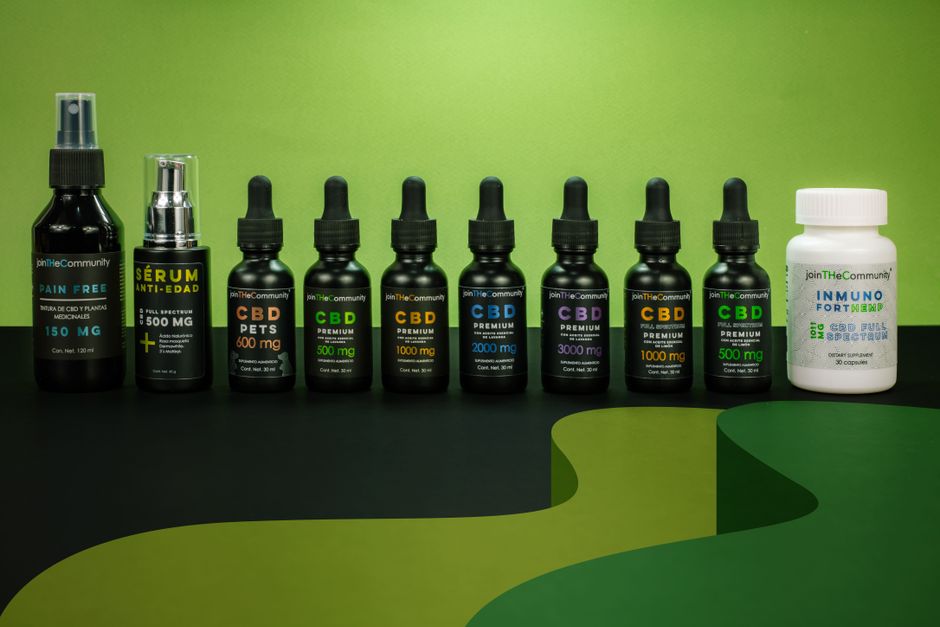
However, “THC removed” doesn’t always mean THC is completely absent. Often, trace amounts remain, detectable only through sensitive lab tests.
What Does “Broad Spectrum THC Removed” Actually Mean?
Broad spectrum processing removes THC through techniques like chromatography. But it’s challenging to guarantee absolute zero THC. Labs may report THC as “non-detectable,” which depends on the testing threshold. That’s why checking the batch's Non-Detectable THC COA (Certificate of Analysis) is critical — it shows the actual measured content versus claims.
Joy Organics, a leading brand in broad spectrum CBD, consistently publishes third-party lab reports confirming non-detectable THC levels. Transparency like this helps consumers who want the benefits of cannabinoids but cannot risk THC intake due to drug testing or personal preference.
Hemp Legality and the 0.3% THC Threshold
According to the 2018 Farm Bill in the United States, hemp is legally defined as cannabis containing less than 0.3% THC by dry weight. This tiny fraction is considered non-intoxicating and is the legal line separating hemp from marijuana. The FDA regulates CBD products under different standards but has not yet approved CBD as a dietary supplement, leading to a regulatory gray area.
Because of this THC threshold, even full spectrum hemp extracts contain trace THC under legal limits. Broad spectrum aims to remove THC below detection limits, appealing to users facing strict anti-doping rules or workplace drug testing.
In fact, the World Anti-Doping Agency (WADA) recently updated its guidelines surrounding CBD athletes can use. WADA allows CBD but prohibits THC and other cannabinoids that could cause positive doping results. For competitive athletes, broad spectrum CBD products with verified “non-detectable THC” status become a safer option.
The Evidence Strength: Anxiety vs Sleep vs Performance
Let’s face it — if you’re taking CBD, you want it to work. But the scientific evidence varies depending on the condition:
Condition Strength of Evidence Notes Anxiety Moderate to Strong Several human trials with oral CBD showed a reduction in social anxiety symptoms. Sleep Limited Some studies suggest improved sleep quality; results are inconsistent and may depend on dosing. Performance (Athletic Recovery / Focus) Weak to Preliminary Evidence mostly anecdotal or from small trials; more research needed.Simply put, anxiety is where CBD shines the brightest in evidence-backed benefits. Sleep improvements are promising but less consistent. Claims on performance enhancements require much more robust research.
Why Dosing Matters
Studies demonstrating benefits commonly use CBD doses between 300mg to 600mg daily — far more than the 10-25mg present sleep routine for gamers in a typical gummy. This mismatch causes confusion, as many users report little effect at low doses, which may explain why products from brands like Joy Organics don’t always feel “potent” despite excellent lab purity. So when reading CBD lab reports, also check mg per serving, not just purity.

Why You Must Always Do a CBD Lab Report Check
This can’t be overstated. Most reputable companies provide third-party lab results online for every batch — full compositional profiles, cannabinoid percentages, and contaminant screens. This data is your best friend for answering questions like:
- Is the THC really non-detectable? How much CBD am I getting per serving? Are any heavy metals or pesticides present?
Without digging into these certificates of analysis (COAs), you’re trusting marketing claims. And as someone who’s moderated heated discussions debating melatonin label accuracy for years, I can tell you: labels lie or oversimplify more often than you think.
Spotting Red Flags in Lab Reports
- Undefined limits: If the detection threshold for THC isn’t listed, “non-detectable” could mean values below a high, loosely defined limit. Single batch reports: Look for consistent results across batches, not a one-off certificate. Missing terpenes and minor cannabinoid data: Broad spectrum should still offer synergistic cannabinoids other than THC.
Brands like Joy Organics stand out because they obsess over transparency, offering granularity in their COAs and spotlighting non-detectable THC consistently, making them a trustworthy choice for anyone needing “broad spectrum THC removed” products.
Final Thoughts: Can Broad Spectrum CBD Be Truly THC Free?
The short answer: Broad spectrum CBD products typically contain no detectable THC* according to sensitive lab tests, but absolute zero THC is technically impossible to guarantee given current technology and natural variability.
If your priority is strictly avoiding THC—for drug tests, athletic compliance, or personal reasons—choose broad spectrum products with readily accessible and verified non-detectable THC COAs. Always check the lab reports, understand the THC detection limits, and consider your dosing needs carefully.
Remember, many studies proving CBD benefits use doses 10 times higher than common gummies, so expectations should be realistic. Scientific support favors anxiety relief as the best supported use, with sleep and athletic performance still under investigation.
Lastly, trustworthy brands that embrace transparency—like Joy Organics—make navigating this complex market easier. And regulatory bodies such as the FDA and WADA continue working to clarify standards around CBD safety, legality, and testing.