If you have spent any time in the "wellness" space, you have probably been sold the idea that recovery is a linear path—a glossy, montage-style return to form that ends with a triumphant Instagram post. I’m here to tell you that’s a fairy tale. In reality, returning to a routine after an injury or a major health setback is messy, frustrating, and usually involves a lot of trial and error.
I’ve been covering midlife wellness for six years, and if there is one thing I’ve learned, it’s that we often try to "sprint" back to where we were before we fell off the wagon. That’s the quickest way to end up back on the bench. Whether you are dealing with a physical injury, a period of illness, or just a mental health slump, the goal isn't to pick up exactly where you left off. The goal is to build a foundation that can survive a "bad Tuesday."
Ask yourself: If I’m exhausted, stressed, or just having one of how much CBD should a beginner take those days where everything goes sideways, can I actually do this routine? If the answer is no, we need to simplify.
The NHS Foundation: Start with Reliable Guidance
Before you jump back into a high-intensity program you found on a forum, let’s talk about data. The most reliable, non-gimmicky resource we have is the NHS website (nhs.uk). Their guidance on injury recovery routines is grounded in science, not marketing hype. It’s free, it’s evidence-based, and it doesn't try to sell you a subscription box.
You know what's funny? when rebuilding, treat the nhs resources as your primary "source of truth." if a workout plan or a "miracle" supplement routine contradicts what you find on the nhs portal, run in the opposite direction. Your recovery doesn't need to be expensive or overly technical; it needs to be safe and consistent.
The "Price Trap": Why You Don't Need the Fancy Gear
One of the biggest mistakes people make when returning to fitness is assuming they gentle movement for morning joint stiffness need to "buy" their way back to health. We see ads for $300 recovery boots, proprietary protein powders, and "bio-hacking" gadgets. Let me be blunt: you do not need these things. In fact, relying on gear often creates a psychological barrier—if you don't have the gear, you feel like you can't do the work.
Save your money. A robust, sustainable recovery is built on habits, not inventory. If you are tempted to spend money on recovery tools, check out sites like Releaf (releaf.co.uk) for thoughtful perspectives on holistic recovery that focus on supporting your body’s natural processes rather than just throwing equipment at the problem.
Sustainable Nutrition: Boring is Better
When you are in the thick of a setback, your diet often suffers. You might be "stress eating" or barely eating at all because of a lack of movement. When you start rebuilding, do not overhaul your entire kitchen. Avoid the "reset" mindset that requires expensive superfoods.. Pretty simple.
Stick to these three tiny changes that actually stick:

- The "Hydration First" Rule: Drink one glass of water before you have your morning coffee. It’s small, it’s free, and it signals to your body that you are paying attention to it again. Protein at Every Meal: You don't need a professional-grade shaker cup. Just make sure there is a palm-sized portion of protein (eggs, beans, lentils, or lean meat) on your plate. It helps with muscle repair and satiety. Add, Don't Subtract: Instead of cutting out "bad" foods, focus on adding one portion of fruit or vegetables to a meal you already eat.
Gentle Movement: The Art of the "Return to Exercise"
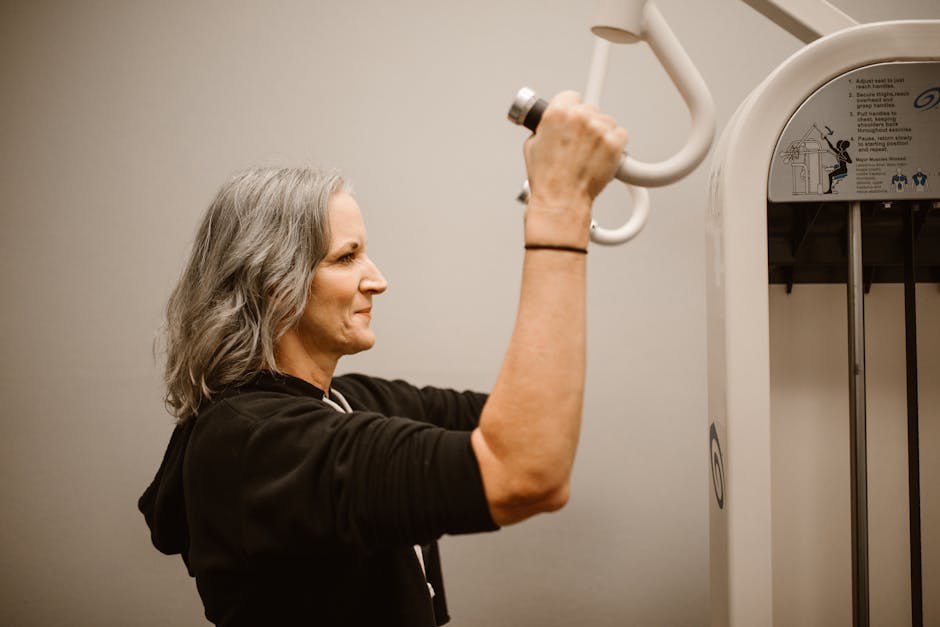
The return to exercise should feel almost laughably easy at first. If you start and feel like you've pushed yourself to the point of exhaustion, you've gone too far. We are looking for gentle movement that reminds your body that it is capable of motion, not exercise that punishes it for having been still.
Tiny Changes That Actually Stick: Movement Edition
Activity "Bad Tuesday" Version The Goal Walking A 5-minute walk around the block. Consistent movement. Strength Bodyweight squats while brushing teeth. Blood flow and mobility. Flexibility 1 minute of seated stretching. Joint lubrication.Platforms like Fifties Web offer great community-driven advice on how to navigate these lifestyle changes as we age. They understand that at this stage in life, recovery isn't about setting personal bests; it’s about maintaining the independence and health that allow us to live our lives fully.
Sleep Hygiene: Your Primary Recovery Tool
We often talk about food and exercise, but sleep is where the actual healing happens. If you aren't sleeping, you aren't recovering—period. If you are struggling with a sleep routine post-injury, don't rush out to buy a $200 pillow. Let me tell you about a situation I encountered thought they could save money but ended up paying more.. Start with the basics:
The "Tech Sunset": Put the phone in another room 30 minutes before bed. Checking social sharing platforms (Facebook, X, LinkedIn, Reddit) late at night keeps your brain in a state of high alert. Room Temperature: Keep your bedroom cool. It’s the easiest, cheapest way to signal to your body that it’s time to shut down. Consistent Wake Times: Even if you slept poorly, try to wake up at the same time. This resets your circadian rhythm far better than sleeping in until noon.Community Without the Comparison Trap
Sharing your recovery journey on social sharing platforms (Facebook, X, LinkedIn, Reddit) can be a double-edged sword. It’s great for accountability, but it’s terrible if you fall into the trap of comparing your "Day 1" to someone else’s "Year 5."
When you post about your progress, keep it focused on the process, not the results. Forget the before-and-after photos—they are usually misleading and rely on lighting and posture anyway. Instead, celebrate the win of having done a 10-minute walk on a day you really didn't want to. That’s the kind of content that helps others and keeps you grounded.
Closing Thoughts: Patience is a Skill
If you take nothing else away from this, let it be this: You are not failing because your recovery is slow. You are succeeding because you are showing up consistently. The "miracle" is just showing up on the days you feel tired, cranky, or unmotivated. That is how you build a routine that lasts a lifetime.
Take it one day at a time, check your facts with reliable sources like the NHS website (nhs.uk), and remember that the best recovery tool you have is your own ability to listen to your body—not the fancy gear you see advertised on your feed. You’ve got this.
Have you found a "tiny change" that helped you get back on track after a setback? Share it in the comments. Let's keep it practical, and let’s keep it sustainable.