I spent nine years working in NHS admin, staring at screens, managing overflowing inboxes, and watching people—both patients and colleagues—collapse under the weight of "just pushing through." If I had a pound for every time someone told a patient that recovery was just a matter of willpower, I’d be writing this from a private island. Spoiler alert: Willpower is not a biological resource.
When you’re balancing a job, a family, or just the relentless noise of modern life, the idea of a "recovery routine" often feels like just another item on an impossible to-do list. But true recovery isn’t a luxury. It’s an infrastructure project for your nervous system. Let’s break down how to build a routine that actually sustains you, without adding more stress to your day.
1. Pacing and Energy Budgeting: Stop Spending What You Don’t Have
Think of your energy like a bank account. Most people operate on an overdraft, hoping they’ll have enough "credit" to pay for their Friday night or their weekend chores. Eventually, the bank closes the account. This is where pacing comes in.

Pacing, a concept often cited in NICE (National Institute for Health and Care Excellence) guidelines for chronic conditions, is essentially energy budgeting. It means breaking tasks into smaller chunks and building in rest periods *before* you feel the crash.
The "Two-Minute Rule" for Low-Energy Days
On days when your brain feels like it’s filled with static, ignore your "ideal" routine. Default to the two-minute version:
- Ideal: 20-minute meditation. Two-minute version: Three deep "box breaths" while the kettle boils. Ideal: Full home workout. Two-minute version: Gentle neck and shoulder rolls while standing in the kitchen. Ideal: Tidying the whole room. Two-minute version: Pick up exactly three things and put them in their place.
2. Leveraging Modern Tools: Telehealth and Information Literacy
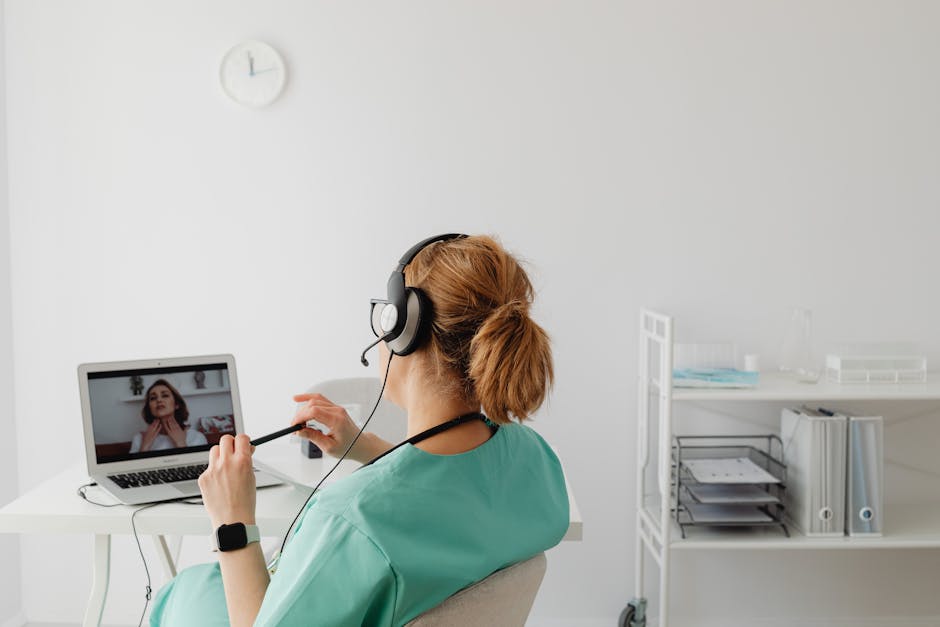
One of the biggest energy drains is the "admin of being unwell." Searching for specialists, tracking symptoms, and managing prescriptions takes a toll. Use telehealth systems to your advantage. If you can avoid a commute to a clinic, you’ve already saved precious energy for your actual recovery.
When using search engines to look up health advice, be ruthless. Ignore the "miracle cure" blogs. Look for clinical sites (.gov or .nhs.uk endings) or patient-led organizations that cite evidence. For example, if you are looking into specialized pain management, clinics like Releaf offer structured telehealth access that streamlines the process, removing the need to navigate complex, fragmented healthcare pathways alone.
Tool Category Purpose Energy Saving Benefit Telehealth Clinical consultations Eliminates travel fatigue and wait-room stress Search Engines Fact-checking info Prevents falling into rabbit holes of unproven, high-stress "cures" Digital Calendars Energy budgeting Helps you visualize when you are over-scheduled before it happens3. Flexible Routines: The "Recovery-First" Mindset
The problem with most "morning routines" found online is that they assume you wake up at 6:00 AM feeling like a Greek god. If you have a busy lifestyle, your routine needs to be modular, like LEGO bricks.
Don't build a rigid 10-step plan. Build a menu. If you have 30 minutes, you pick three bricks. If you have five minutes, you pick one. This is "recovery-first" planning. You aren't failing because you didn't do the whole routine; you are succeeding because you didn't force your body to do things it couldn't handle.
4. Sleep Consistency and Evening Wind-Down
Sleep isn't just "turning off." It’s a transition. If you jump straight from a high-stress Zoom call to your pillow, your nervous system is still in "fight sleep quality or flight" https://highstylife.com/how-to-build-a-recovery-focused-bedroom-when-youre-running-on-empty/ mode.
The Evening "Too Tired to Think" List
When my brain hits that 9:00 PM wall, I don't want to make decisions. I have a list of pre-set defaults taped to the inside of my bathroom cabinet:
The Physical Reset: 2 minutes of legs-up-the-wall pose (great for lower back pain and calming the heart rate). The Brain Dump: Writing down three things that are worrying me on a sticky note. Once they are on paper, my brain is allowed to let them go. The Sensory Buffer: Putting on blue-light blocking glasses or turning the lights to "warm" mode 30 minutes before sleep.5. Nervous System Regulation
Stress management is often sold as "taking a holiday," but for most of us, that isn't possible. You need internal regulation that happens *in the middle* of your busy day.
Your nervous system doesn't know the difference between a looming work deadline and a predator chasing you. You have to signal safety to your body. My go-to is the "Vagus Nerve reset":
- Place both hands behind your head, interlocking your fingers. Keep your head still and look all the way to the right with your eyes only. Hold until you feel a sigh, a swallow, or a yawn (usually 30–60 seconds). Repeat on the left.
This is a physiological hack. It tells your brain, "Hey, we aren't being hunted right now." It takes less than two minutes and is completely free.
Summary: Building Sustainable Habits
If you take nothing else away from this, please let it be this: You are not a machine. You are a complex biological organism that requires consistent maintenance. The goal of a recovery routine is not to make you more productive so you can do *more* work. The goal is to ensure you have enough left over for the things that actually matter to you.
Stop looking for the "perfect" supplement—there isn't one. Stop "pushing through" when your body is screaming at you to stop. Start small. Start flexible. Start with the two-minute version. When you treat your recovery with the same seriousness as your professional commitments, you’ll find that "busy" doesn't have to mean "broken."
Final Checklist for a Better Week:
- Check your calendar: Are there two consecutive days with no heavy cognitive load? If not, move something. Set your defaults: Write your "Too Tired to Think" list and put it somewhere visible. Check your environment: Does your digital setup (telehealth/emails) cause you stress? Can you automate or simplify any of it?
Remember, your recovery routine is for you, not for anyone else. Be kind to the person you are on your low-energy days; they are doing the best they can.