Living along Florida’s northeast coast, between St. Augustine and Palm Coast, I often get asked about hidden pest problems and their health effects—especially from cockroaches and asthma. Many folks are surprised to learn that even when you never spot a roach, their allergen proteins can still trigger severe asthma symptoms. In this blog post, I’ll break down how total release fogger vs spray cockroach allergen in dust impacts indoor air quality, why hidden roach infestations matter, and practical tips for control and cleanup that go beyond the obvious.
Understanding Cockroach Allergens: Bla g and Per a Proteins
Cockroaches aren’t just a creepy nuisance—they produce potent allergen proteins that can make asthma worse or even trigger attacks. The main culprits are two specific allergen proteins:
- Bla g: From the German cockroach ( Blattella germanica), this allergen is one of the most well-studied and allergenic to humans. Per a: From the American cockroach ( Periplaneta americana), also known locally here as the palmetto bug.
These proteins are found in cockroach feces, saliva, shed skin, and body parts. When these tiny particles https://highstylife.com/why-do-roaches-hide-in-wall-cavities-and-appliance-motors/ become airborne or settle into dust, they get inhaled by people living in the home. For someone who is sensitive, this exposure can cause:
- Increased airway inflammation More frequent asthma attacks Worsened allergy symptoms such as sneezing, coughing, and wheezing
The Myth of the "Palmetto Bug"
One quick pet peeve: not every roach is a “palmetto bug.” The American cockroach is the large “palmetto bug” variant common outdoors, often found in warm, humid Florida environments. Indoors, the smaller, prolific German cockroach is usually the real allergen source. They thrive in kitchens and bathrooms, scurrying mostly at night and hiding in wall voids, cracks, and under appliances. Despite being less visible, German cockroaches are the heavy hitters when it comes to cockroach allergen.
Why You Might Never See Roaches But Still Have a Problem
Many homeowners tell me, “I never see roaches, so I can’t have cockroach allergen issues.” The truth is, hidden roach infestations are common—especially in humid Florida where cockroaches breed year-round.
Nocturnal Roaches and Wall Voids
German cockroaches are nocturnal and excellent at hiding during the day. They nest deep inside wall voids, beneath sinks, behind baseboards, and in appliance cavities. Their shed skins and feces seep into dust, creating a persistent source of allergen even if the resident never sees a live roach.
Florida’s Year-Round Humidity and Outdoor Pressure
Florida’s high and consistent moisture levels create ideal conditions for cockroach breeding. The constant outdoor pressure—meaning a continuous influx of roaches from sewers, crawl spaces, and landscaping—makes it difficult to eliminate allergens without ongoing treatment and maintenance efforts.
The Persistent Problem of Cockroach Allergen in Dust
Even if you don’t see live roaches, their allergen proteins can hang around in dust for months or longer. Disturbing this dust during cleaning activities may aggravate asthma.
Source of Cockroach Allergens How It Affects Indoor Air Potential Asthma Impact Feces and Droppings Settles into carpets, floor cracks, under appliances Triggers airway inflammation; increases asthma frequency Shed Skins and Body Parts Becomes airborne or embedded in dust Causes allergic sensitization and respiratory irritation Saliva Mixes with dust and surfaces Exacerbates asthma when inhaledEffective Cleaning: Don’t Just Dust—Wet-Wipe and Vacuum
Many articles suggest vague “keep your house clean” advice, but here’s my practical, specific recommendation for controlling cockroach allergen dust:
Wet-Wiping Instead of Dry-Dusting
Avoid dry dusting, which just stirs up allergens and makes them airborne temporarily. Instead, use a damp cloth or microfiber towel to wipe down surfaces, baseboards, corners, and kitchen appliances. This method traps and removes allergen dust rather than spreading it.
HEPA Filter Vacuuming
A standard vacuum won’t do the trick. Instead, use a vacuum equipped with a HEPA filter designed to trap microscopic particles like roach allergens. Vacuum carpets, rugs, upholstered furniture, and hard floors regularly to reduce dust buildup.
Pro tip: Always pull out your fridge, stove, and other appliances before spraying any roach treatments or vacuuming around them. Hiding spots there tend to hold heavy roach droppings and allergen dust.

Addressing Hidden Roach Infestations
Finding and fixing the source of a cockroach problem is critical to improving indoor air and asthma symptoms.
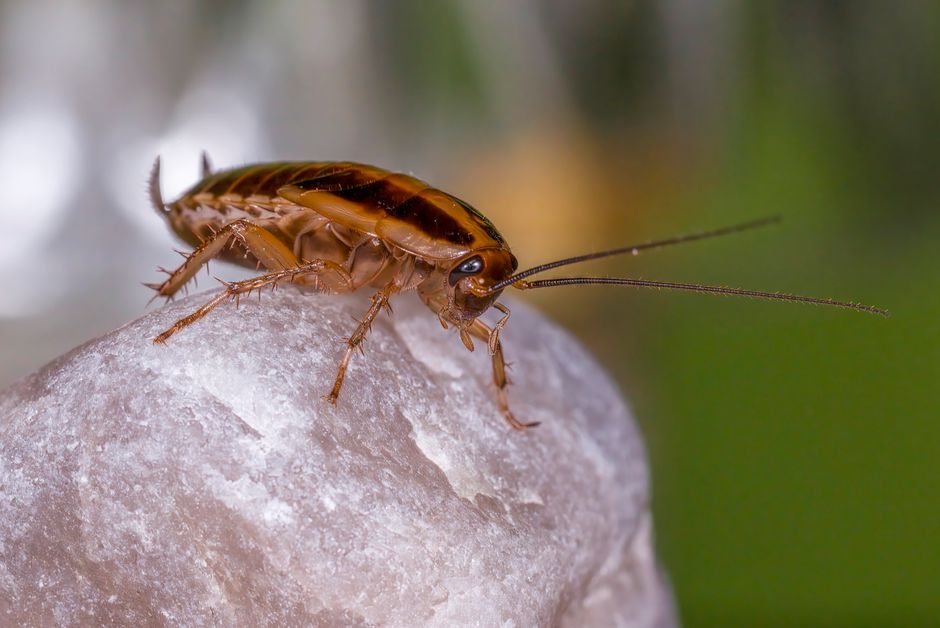
American Cockroach (Palmetto Bug) vs. German Cockroach: What Should You Watch For?
While the American cockroach is big and intimidating, it tends to live outdoors or in damp basements and crawl spaces. They invade homes occasionally but are less likely to establish large indoor infestations or contribute heavily to allergen dust.
The German cockroach, on the other hand:
- Is smaller (about 1/2 inch long) Breeds rapidly indoors, especially in kitchens and bathrooms Is the main source of Bla g allergens and chronic indoor cockroach allergen dust
So, even if you only see the occasional “palmetto bug,” don’t dismiss the possibility of a hidden German cockroach infestation causing asthma triggers.
Summary: Key Takeaways for Managing Cockroach Allergens and Asthma
- Cockroach allergen proteins (Bla g and Per a) can aggravate asthma even if you don’t see live roaches. Hidden roach infestations, especially German cockroaches in wall voids and kitchens, produce persistent allergen dust. Florida’s humidity supports year-round cockroach breeding and outdoor pressures increase indoor roach problems. Use damp cloth wet-wiping and HEPA vacuuming to effectively remove allergen dust—avoid dry dusting. Target infestations with baits, seal entry points, and fix moisture issues—skip the bug bombs. Always pull out appliances like the fridge before spraying or applying pest control—and clean underneath regularly.
If you’d like a professional inspection or advice tailored to your Florida home’s unique pest situation, feel free to reach out—helping reduce pests and asthma triggers is what I do every day.
Stay pest-free and breathe easy!